

bicycle-home-exercise5483
bicycle-home-exercise5483
Stationary Bike: The Good, The Bad, And The Ugly
Understanding Stationary Bikes: A Comprehensive Guide
In the contemporary world, where fitness is becoming significantly integrated into our day-to-day regimens, stationary bicycles have emerged as a versatile alternative for cardiovascular training. This short article explores the numerous types of stationary bikes, their benefits, functions to consider when acquiring one, and how to incorporate them into your fitness routine.
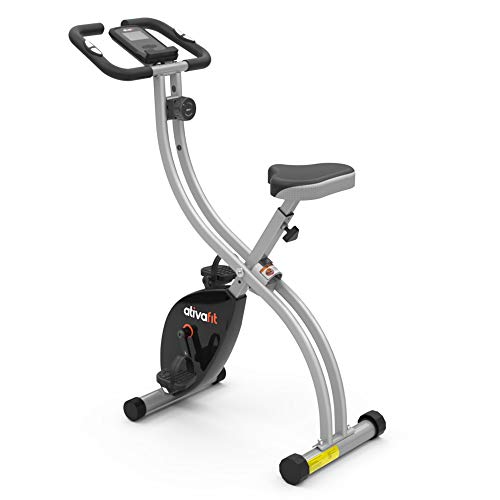
Table of Contents
- Kinds Of Stationary Bikes
- Advantages of Using a Stationary Bike
- Features to Consider When Buying a Stationary Bike
- Tips for Effective Cycling Workouts
- Frequently Asked Questions (FAQs)
1. Kinds Of Stationary Bikes
There are a number of types of stationary bicycles available on the marketplace, each created to deal with various fitness levels and choices. Below is a summary of the primary types:
| Type | Description | Perfect For |
|---|---|---|
| Upright static bike exercise | Features a standard bike design. The rider sits upright. | Individuals seeking a realistic cycling experience. |
| Recumbent Bike | Offers a reclined seating position with a larger seat and back support. | Those with back problems or those seeking convenience during exercises. |
| Spin Bike | Comparable to an upright bike but designed for high-intensity training. | Fitness enthusiasts and those wanting to simulate outdoor biking. |
| Dual Action Bike | Includes handlebars that move, supplying an upper body workout too. | People seeking a full-body exercise. |
2. Benefits of Using a Stationary Bike
Using a stationary bike for exercise offers numerous benefits for physical health and total well-being. Some of the key advantages consist of:
- Cardiovascular Fitness: Regular biking reinforces the heart, enhances circulation, and boosts aerobic capacity.
- Weight Management: Stationary cycling assists burn calories and keep a healthy weight.
- Joint-Friendly: Cycling is a low-impact exercise, making it appropriate for people with joint pain or injuries.
- Convenience: A stationary bike can be utilized indoors, enabling exercises regardless of weather condition conditions.
- Personalization: Most stationary bicycles offer adjustable resistance levels, accommodating various fitness levels.
3. Functions to Consider When Buying a Stationary Bike
When selecting a stationary bicycle, consider the following functions to ensure you choose the model that finest fits your requirements:
- Comfort: Look for a bike with an adjustable seat and handlebars to accommodate your body size.
- Resistance Levels: Check if the bike provides adjustable resistance to challenge your workouts.
- Display Monitor: A great screen screen shows necessary metrics such as time, distance, speed, and calories burned.
- Portability: If area is restricted, consider a bike with transportation wheels for simple motion.
- Guarantee: Look for a bike with a thorough warranty to protect your financial investment.
Comparison Table of Key Features
| Feature | Upright Bike | Recumbent Bike | Spin Bike | Double Action Bike |
|---|---|---|---|---|
| Comfort | Moderate | High | Moderate | Moderate |
| Resistance Levels | Adjustable | Adjustable | Adjustable | Adjustable |
| Keeping an eye on Display | Standard | Advanced | Standard | Advanced |
| Area Requirement | Low | Moderate | Moderate | Moderate |
| Price Range | ₤ 200 – ₤ 700 | ₤ 300 – ₤ 800 | ₤ 300 – ₤ 900 | ₤ 400 – ₤ 900 |
4. Tips for Effective Cycling Workouts
To maximize your stationary bicycle exercises, think about the following pointers:
- Warm Up: Start with a 5-10 minute warm-up at a low resistance level before increasing intensity.
- Stay Hydrated: Keep a water bottle nearby and take sips throughout your exercise.
- Vary Your Workouts: Incorporate interval training by alternating between high-intensity bursts and recovery durations.
- Listen to Music or Watch Television: Engaging your mind can assist make workouts more enjoyable and disruptive.
- Track Your Progress: Keep a log of your workouts and note improvements with time to remain motivated.
5. Frequently Asked Questions (FAQs)
1. How long should I use a stationary bicycle for effective exercises?
For optimal outcomes, aim for 150 minutes of moderate aerobic activity weekly, which can be divided into 30-minute sessions 5 times a week.
2. Are stationary bikes appropriate for novices?
Yes, stationary bikes are best for beginners due to their adjustable resistance and low-impact nature, making them simple to utilize at any fitness level.
3. Can stationary cycling aid with weight reduction?
Absolutely! Routine usage of a stationary bike, integrated with a well balanced diet plan, can considerably add to weight reduction efforts by burning calories.
4. What should I wear when utilizing a stationary bicycle?
Use comfy, moisture-wicking clothing and helpful athletic shoes to guarantee an enjoyable exercise experience.
5. Is it much better to use a stationary bicycle or a treadmill for cardio?
It depends on personal choice and fitness goals. Stationary bicycles are lower effect and simpler on the joints, whereas treadmills can provide weight-bearing exercises that may reinforce bone health.
Stationary bikes are a fantastic way to incorporate cardiovascular exercise into daily routines. With different types readily available, in addition to distinct advantages and features, choosing the best bike can enhance fitness levels and improve overall wellness. By comprehending the performance of these devices and incorporating them into routine workouts, people can cultivate a healthier way of life with each pedal stroke.