

fireplaces0293
fireplaces0293
Watch Out: How Fireplace Styles Is Taking Over And What We Can Do About It
The Diverse World of Fireplace Styles: A Complete Guide
Fireplaces have actually long been a central function in homes, serving both practical and aesthetic purposes. They provide heat, develop a cozy atmosphere, and function as an architectural centerpiece in a space. With an abundant history that spans different cultures and periods, fireplaces come in different styles, each showing special attributes and preferences. This short article looks into the various kinds of fireplace styles, their style aspects, installation considerations, and maintenance suggestions.
Overview of Fireplace Styles
From traditional wood-burning stoves to modern gas fireplaces, the marketplace offers a wide variety of styles to fit diverse tastes and home aesthetic appeals. Below is a table summarizing some common fireplace styles:
| Fireplace Style | Secret Features | Best Suited For |
|---|---|---|
| Traditional | Brick or stone products, large mantels, timeless styles | Classic or rustic homes |
| Modern | Streamlined lines, minimalistic designs, glass or metal materials | Contemporary interiors |
| Rustic | Masonry, rough-hewn materials, natural finishes | Mountain or cabin-style homes |
| Traditional Wood-Burning | Open firebox, chimney flue, needs wood fuel | Residences with adequate space |
| Gas Fireplace | Easy to use, vented or vent-free choices | Any home, specifically metropolitan |
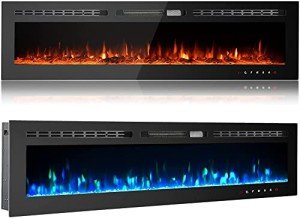
| Electric Fireplace | Plug-in benefit, practical flame results | Houses or homes without a direct vent |
| Corner Fireplace | Positioned in corners to save space, often angled | Smaller sized living spaces |
| Two-Sided Fireplace | Noticeable from more than one space, frequently utilized in open plans | Large or open-concept areas |
| Outdoor Fireplace | Stone, brick, or concrete construction, typically equipped with seating | Patios, gardens, yards |
Types of Fireplaces
1. Traditional Fireplaces
Traditional fireplaces are frequently made from masonry materials such as brick or stone. They generally include a popular mantel and strong chimneys. These fireplaces develop a welcoming, warm atmosphere and are best fit for homes with a timeless or rustic style.
2. Modern Fireplaces
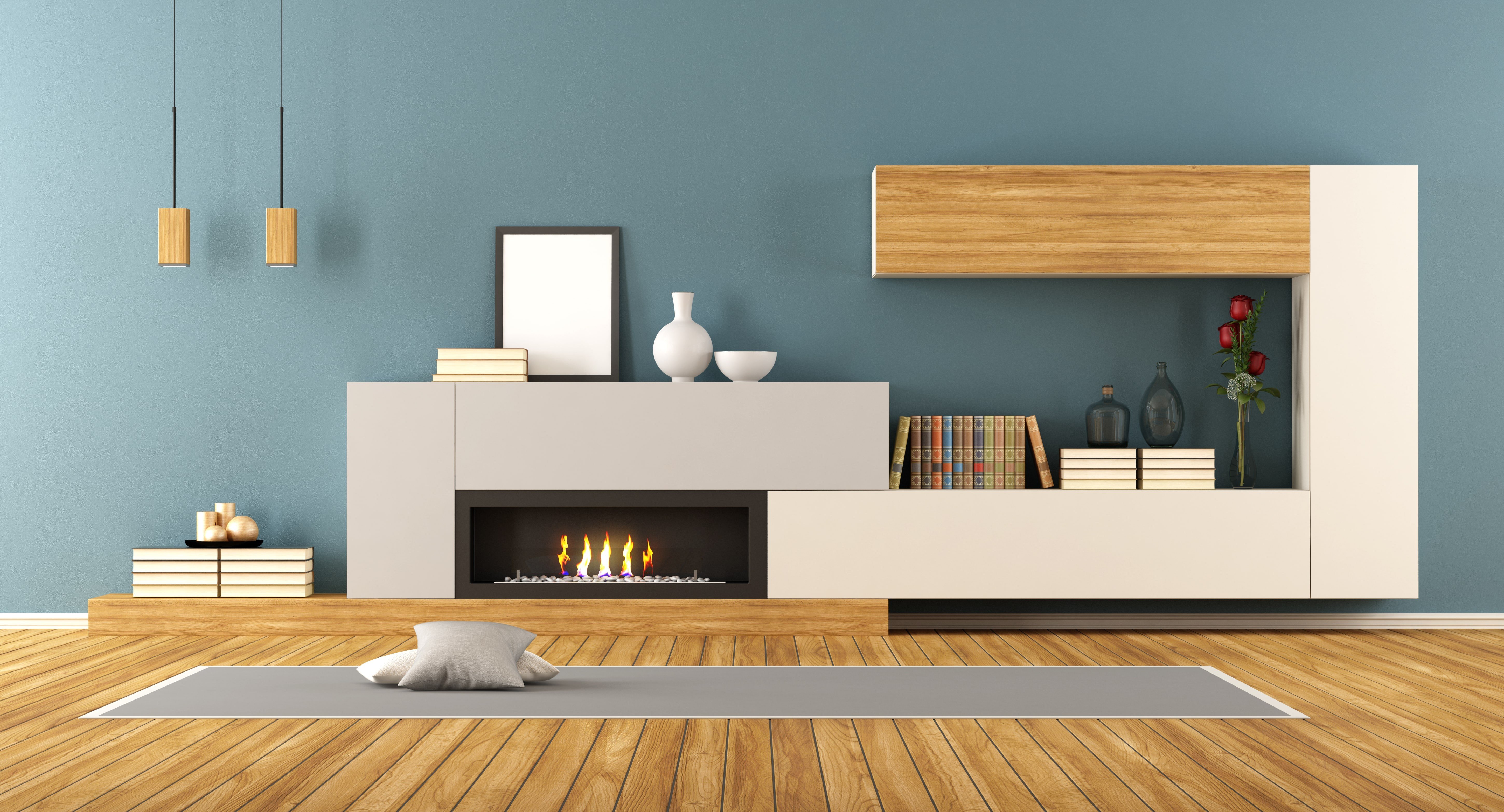
In contrast, modern fireplaces highlight streamlined lines and minimalistic styles. Building products like glass and metal are typical, permitting them to mix seamlessly into contemporary interiors. These fireplaces frequently include concealed vents or no noticeable log stacks.
3. Rustic Fireplaces
Rustic fireplaces stimulate a sense of comfort and connection to nature. They typically include rough-hewn products, such as reclaimed wood or natural stone. These designs are often found in mountain cabins or rural homes where nature-inspired styles reign supreme.
4. Traditional Wood-Burning Fireplaces
This timeless design needs logs as fuel and usually features a large firebox and a chimney flue. While they supply genuine heat and ambiance, they need more upkeep and are typically best for Fireplacesandstoves houses with ample space and proper ventilation.
5. Gas Fireplaces
Gas fireplaces are significantly popular due to their convenience and ease of usage. They can be vented through outside walls or left vent-free, allowing versatility in setup. They offer immediate heat and a reasonable flame, perfect for different home styles.
6. Electric Fireplaces
For those looking for a simple and low-maintenance alternative, electric fireplaces are an outstanding solution. They can be merely plugged in and often feature realistic flame effects. Electric fireplaces are particularly advantageous in houses or homes without existing ventilation systems.
7. Corner Fireplaces
Corner fireplaces are developed to fit comfortably into a room’s corner, making them a perfect option for smaller spaces. They can be wood or gas burning and assistance optimize living space while still providing heat and style.
8. Two-Sided Fireplaces
Perfect for open layout, two-sided fireplaces permit exposure and heat to stream between two rooms. They cultivate connection within a home and often serve as unique style features.
9. Outdoor Fireplaces
Outdoor fireplaces produce additional living space outside, acting as a social event area. These fireplaces can be made from stone or brick and may consist of integrated seating areas for an enhanced outdoor experience.
Benefits of Having a Fireplace
- Aesthetic Appeal: Fireplaces function as focal points in rooms, offering visual warmth and enhancing decoration.
- Increased Property Value: Homes with fireplaces often have greater resale values, specifically in colder climates.
- Comfort and Warmth: A fireplace supplies a cozy atmosphere, serving as a heating source on cold days.
- Social Interaction: Fireplaces develop welcoming areas for events and family time.
Maintenance Considerations
Appropriate maintenance is important to keep any fireplace in working order. Below are general upkeep ideas resources for different fireplace styles:
- Regular Cleaning: Fireplaces should be cleaned up frequently, with soot and ash gotten rid of to prevent buildup.
- Chimney Inspection: Have chimneys checked annually to prevent clogs and ensure they operate correctly.
- Fuel Management: Use appropriate fuel types for wood-burning or gas fireplaces, and store them appropriately.
- Look for Damage: Regularly examine for any indications of wear and tear, such as fractures or warping, specifically in masonry fireplaces.
- Professional Servicing: Hire professionals for significant repair work or substantial upkeep jobs.
Frequently asked questions
1. What type of fireplace is best for a small area?
Electric and corner fireplaces are ideal for small areas, offering heat without requiring comprehensive setup.
2. Are gas fireplaces safe?
Yes, gas fireplaces are safe when installed and preserved correctly. It is necessary to guarantee appropriate ventilation and follow setup standards.
3. Can I set up a fireplace myself?
While easy electric fireplaces can be installed by the property owner, the majority of traditional or gas fireplaces ought to be installed by a professional to ensure security and compliance with structure codes.
4. How frequently should I clean my chimney?
Chimneys must ideally be inspected and cleaned up a minimum of once a year, particularly if you use your fireplace frequently.
5. Do electric fireplaces produce genuine heat?
While electric fireplaces imitate the look of flames, they also produce heat through electric coils, providing heat comparable to traditional systems.
Fireplaces serve as more than just a source of heat; they play an important role in home design and atmosphere. With various styles readily available, house owners can pick an area and style that fit their personal choices and home environment. Understanding the various kinds of fireplaces and their benefits can help people make notified decisions about their setup, maintenance, and use.